HomeNews
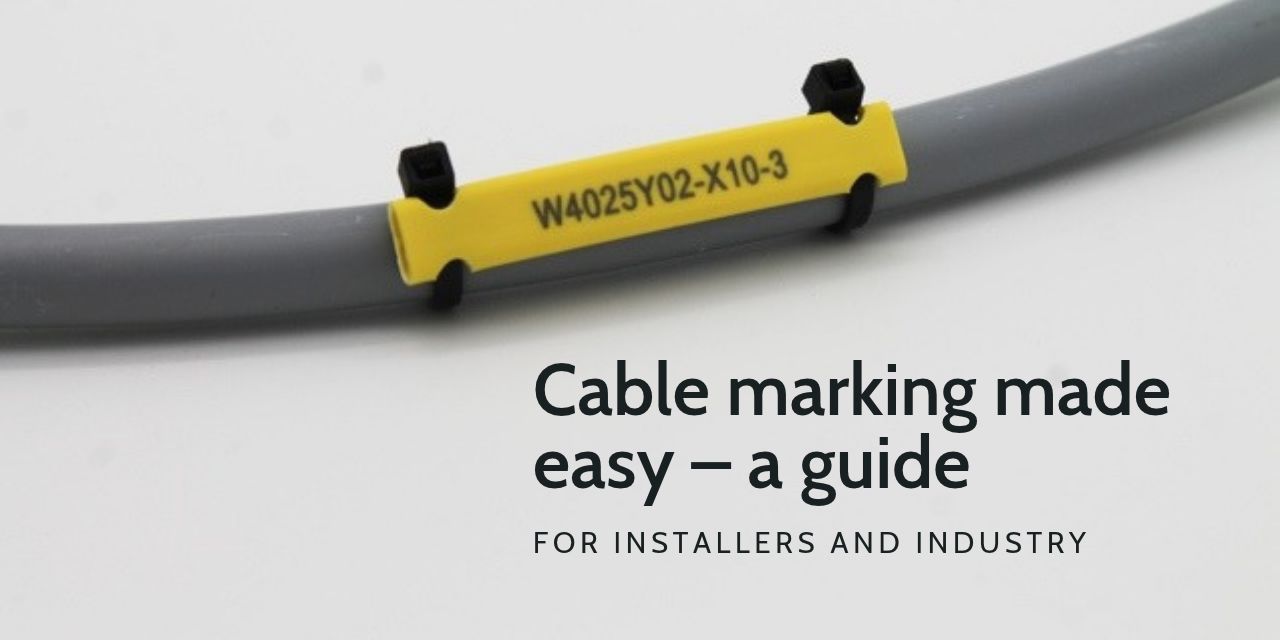
Cable marking made easy – a guide for installers and industry
Cable marking made easy – a guide for installers and industry
2026-11-24
Cable marking is essential for safety, efficiency and traceability in both industrial environments and electrical installations. In this guide from Knutwall in Sweden, we explain why cable marking matters, which methods are available and how to choose the right solution for your project.
Why is cable marking important?
Correct marking of cables contributes to safer and more efficient operation:
Increases safety by reducing the risk of incorrect connections
Saves time during service, maintenance and troubleshooting
Makes documentation easier and helps the installation comply with applicable standards
Different types of cable marking
There are several ways to mark cables – the right choice depends on the application and requirements:
Standard cable marking – used in electrical and industrial projects to meet requirements for clarity and consistency.
Wire marking – markers for individual conductors and cores in control cabinets and distribution boards.
Open wire markers – can be snapped on afterwards without disconnecting the conductor.
Wrap-around cable labels – self-laminating labels where the text is protected by a transparent layer.
Heat-shrink tubing – printed sleeves that are shrunk onto the cable for a permanent marking.
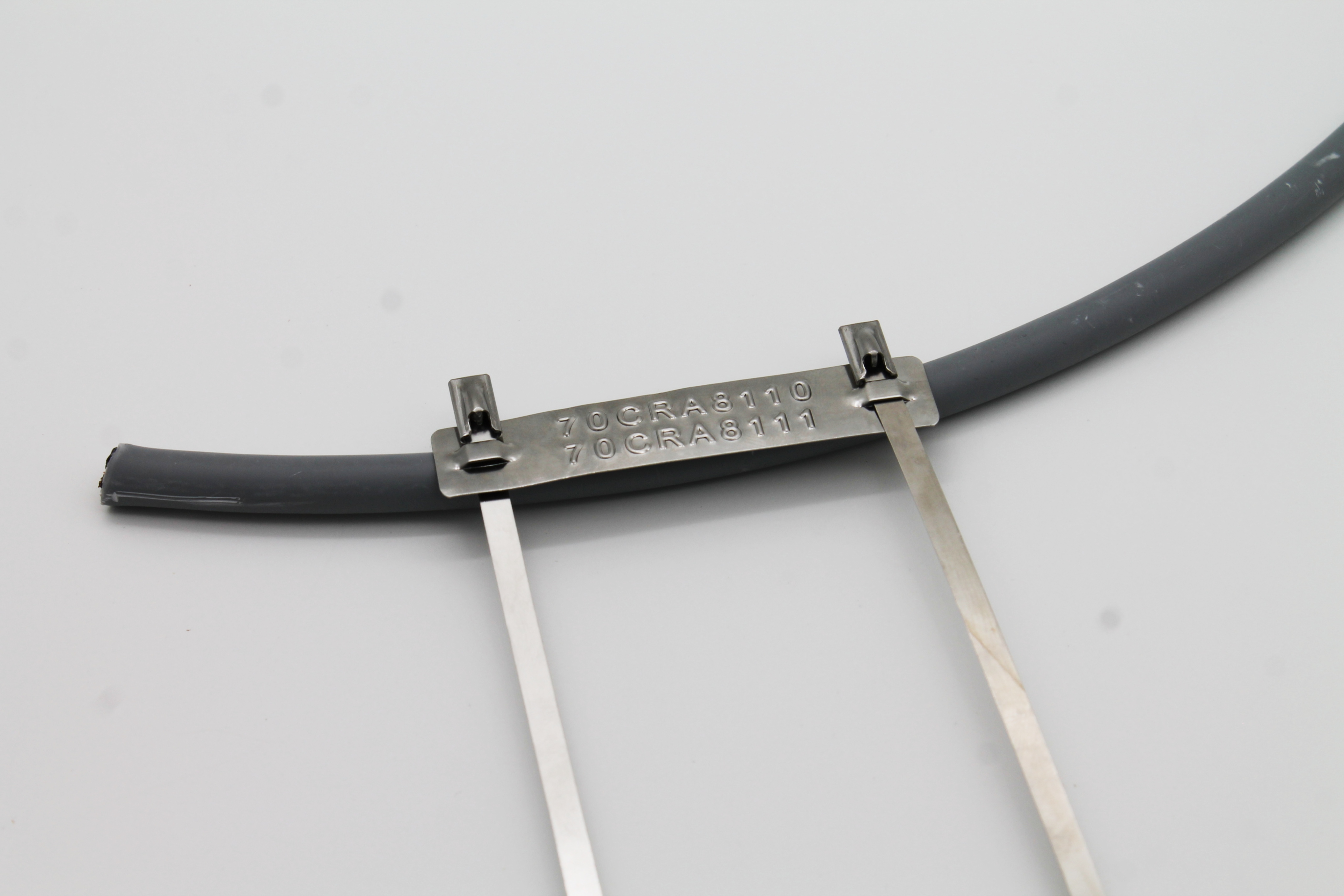
Engraved signs – for permanent marking of cabinets, terminals and equipment in tough environments.
Stainless steel cable marking
How to mark cables – step by step
Regardless of method, these basic principles give a cable marking that works over time:
Plan the marking based on the circuit diagram and documentation, so every cable has a unique designation.
Mark the cable at both ends – and at junctions or where it passes through walls if the run is long.
Place the marker close to the termination point and make sure it can be read without twisting the cable.
Use printed or engraved markers – handwritten labels fade and are easily misread.
Use the same system and the same type of marker throughout the installation.
Standards and requirements for cable marking
This guide is based on Swedish practice. Cable marking is governed by international and national standards – for example IEC 62491 for labelling of cables and cores and IEC 81346 for reference designations, which are used throughout the EU. In Sweden, low-voltage installations also follow the Swedish installation rules SS 436 40 00.
These standards describe how the marking should be done to meet requirements for safety, clarity and long-term traceability. Always check which rules apply in your country and project. At Knutwall we follow these standards and supply products that help you meet both industry requirements and internal quality goals.
How to choose the right cable marking
Choosing the right cable marking means adapting the solution to your needs:
Environment: Will the cable be marked indoors, outdoors or in an industrial plant?
Material: Do you need plastic for flexibility, or stainless steel for extreme environments?
Durability: Is the marking temporary for a project – or should it last for many years?
Summary
Correct cable marking is essential for safety, efficiency and standardisation. By choosing the right method and material, you get a durable solution that saves both time and money in the long run.
Contact us for advice and fast delivery of cable marking
With a modern machine park and more than 25 employees, we deliver over 10,000 signs and markers every day. Everything is produced in our own factory in Södertälje, Sweden, and shipped from there with fast delivery. 📩 Email us at order@knutwall.com 🌐 Order cable marking online
Do you have questions or would you like a quote? Do not hesitate to contact us!
 EN
 SV
 NO
 DK
 FI
 DE